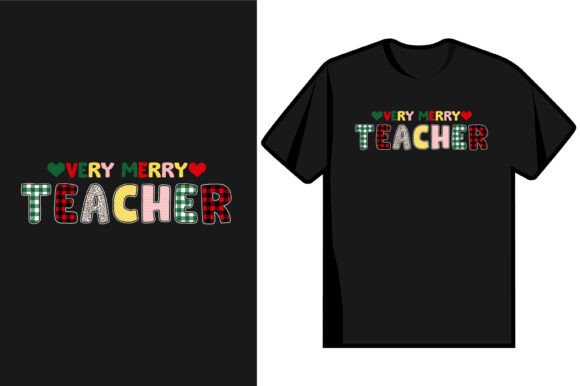
Teacher of the Most T-Shirt Design Review
I have spent years reviewing machine embroidery designs for everything from boutique branding to personalized gifts, and I know that the difference between a good project and a great one often lies in the details. When I first encountered the Teacher of the Most T-Shirt Design, it immediately caught my attention not just because of its catchy phrase, but because of how well it balances sentiment with practical application. This isn't just another generic graphic; it is a piece of Graphics that feels ready for the real world of stitching.
As an experienced designer, my goal here is to cut through the marketing fluff and look at this file as if I were preparing it for a client's order tomorrow. Whether you are an Etsy seller looking to boost your holiday sales or a crafter making a gift for a beloved educator, understanding the physical limitations and aesthetic potential of a design is crucial. Let's dive into what makes this T-Shirt Designs asset work in a live production environment.
The First Impression: Mood and Visual Personality
The moment you open the files for the Teacher of the Most T-Shirt Design, the mood is clear: it is celebratory, warm, and deeply appreciative. The layout suggests a design meant to be worn with pride. Unlike some digital assets that feel flat or overly complex for stitching, this design possesses a visual personality that translates well to thread. It creates an immediate sense of connection, which is exactly what you want when creating a personalized gift.
The typography appears bold and legible, which is a critical factor for any embroidery file. In the world of custom apparel, if the text cannot be read clearly after stitching, the value of the product drops significantly. This design seems to prioritize readability without sacrificing style. It feels like it belongs on a sturdy tote bag, a cozy sweatshirt, or even a baby onesie. The balance between the lettering and any accompanying decorative elements suggests a high level of thought regarding the final finished product.
Real-World Application: A Case Study
To truly understand the utility of this design, let's imagine a specific scenario. Suppose you run a small shop specializing in back-to-school merchandise. You receive an order for a custom embroidered apron for a school staff appreciation event. The client wants something unique that says "Teacher of the Most" but needs to withstand frequent washing and heavy use.
This is where the Teacher of the Most T-Shirt Design shines. Because it is versatile enough for various substrates, I would recommend placing it on a heavy-duty canvas tote bag or a thick cotton apron. The design's structure allows it to hold up well against the friction of daily use. If you were to stitch this onto a hoodie for a teacher who has gone above and beyond, the placement on the chest or the back could create a stunning focal point. The design works beautifully as an embroidered patch as well, adding a professional touch to a uniform or a cap.
For an Etsy seller, this design offers excellent potential for commercial embroidery projects. Imagine offering a package deal: a matching set of a tote bag and a coffee mug for a retiring teacher. The consistency of the design across different products builds brand recognition and trust. Customers appreciate when the art looks cohesive, whether it is on fabric, paper, or ceramic. This design provides the flexibility needed to create those cohesive collections.
Technical Considerations for Stitching
While the concept is strong, the execution depends heavily on technical choices. When working with any digital embroidery file, you must consider the stitch density. If the design includes dense fill areas, it might be too stiff for delicate fabrics like thin t-shirts or lightweight jersey. However, for heavier materials like denim, fleece, or canvas, the stability provided by a slightly higher stitch count can add durability and a premium feel.
You will need to pay close attention to the hoop size required for this project. If the design is large, you may need a larger hoop, which limits where you can place it on certain garments like caps or small baby items. Always check the dimensions before committing to a full production run. For smaller applications, such as a baby embroidery project on a bib or a hat, ensure the design scales down without losing the integrity of the letters or the fine details.
Fabric texture plays a significant role in the final look. On a smooth, tight weave, the stitches will appear crisp and clean. On a textured fabric like a waffle-knit sweater or a rough burlap, the design might lose some definition. To mitigate this, selecting the right stabilizer is non-negotiable. A tear-away stabilizer might suffice for stable fabrics, but a cut-away stabilizer is essential for stretchy knits to prevent puckering over time.
Where to Exercise Caution
Not every surface is suitable for every design. There are specific scenarios where the Teacher of the Most T-Shirt Design might struggle. Avoid using this on extremely small hoop sizes where intricate details could get lost in the thread thickness. Similarly, be wary of applying it to very dark fabrics unless you have planned for a high-contrast thread color palette. Dark backgrounds can sometimes make lighter threads disappear, ruining the visual impact.
Curved surfaces, such as baseball caps, require careful tension adjustment. If the design is too detailed or has sharp corners, it may not follow the curve of the cap smoothly, leading to distortion. Additionally, if the design features tiny lettering, test it thoroughly. Tiny text can become illegible if the thread breaks or if the fabric shifts during stitching. For products that need frequent washing, such as kitchen towels or children's clothing, ensure the design is anchored securely to prevent fraying.
Enhancing Product Value and Professionalism
A well-executed embroidery job elevates a simple item into a keepsake. The Teacher of the Most T-Shirt Design has the power to turn a standard t-shirt into a cherished memento. When customers see a professionally stitched design, they perceive higher value in the item. This perception is vital for small business owners and crafters who rely on word-of-mouth and repeat business.
The design also supports brand consistency. If you are building a line of holiday embroidery or seasonal goods, having a reliable, high-quality design ensures that your shop maintains a professional image. Buyers are more likely to trust a seller whose work is precise and visually appealing. Furthermore, the versatility of this design allows for creative packaging ideas, such as including a printable mockup in the listing that shows the design on various products, helping customers visualize their purchase.
Practical Designer Notes for Success
Before you start stitching, there are several steps every serious maker should take. First and foremost, always test the design on scrap fabric. This allows you to adjust thread colors, tension, and stabilizer types without wasting materials on a final product. Check the thread colors to ensure they pop against your chosen background. A design that looks great on a screen might look muddy in thread.
Review the stitch density within your digitizing software. If the design feels too dense, it might be worth simplifying it to improve the drape of the fabric. Confirm the hoop size requirements and ensure your machine can accommodate them. Inspect small details closely; sometimes, lines that look solid on a monitor break apart when stitched. Test the design in black and white mockups to verify contrast levels.
Finally, remember to check the licensing terms. While the file includes formats like PNG, EPS, and SVG, you must confirm whether you are allowed to sell finished items created with this design asset. Some licenses restrict commercial use, while others allow it freely. Understanding these terms protects your business and ensures you are operating ethically.
In conclusion, the Teacher of the Most T-Shirt Design is a robust tool for any creator looking to add a personal touch to their projects. With proper planning and attention to detail, it can result in beautiful, durable, and meaningful products that teachers and crafters alike will cherish. It is a testament to the fact that a great design is not just about looking good on a screen, but about standing up to the rigors of real-world production.